TradePending conducted a consumer survey in Fall 2025 of over 1,000 vehicle owners to better understand their online buying behaviors
Every year, car shoppers tell us the same thing: they come to dealership websites with clear goals in mind. They’re not browsing aimlessly, they’re there to research inventory, understand what their current car is worth, and see what they can afford next. Yet many dealership websites clutter the experience with too many calls-to-action or complicated tools that frustrate shoppers instead of helping them.
Our latest survey results show that success online still comes down to clarity, transparency, and simplicity. Dealerships that streamline their sites around these key “jobs to be done” not only attract more visitors but also convert them into customers faster.
Consumers want quick, trustworthy trade-in valuations backed by real market data, simple payment calculators that set realistic expectations, and clear vehicle histories that make used-car research easier. Add in a human touch, like personalized video messages, and the results are even better.
In this post which shares the survey results, we’ll break down what car shoppers truly value most online, how dealerships can use these insights to create better experiences, and tips on improving customer retention.
Q1 – When visiting an auto dealership’s website, which of the following features or services would you find most valuable?
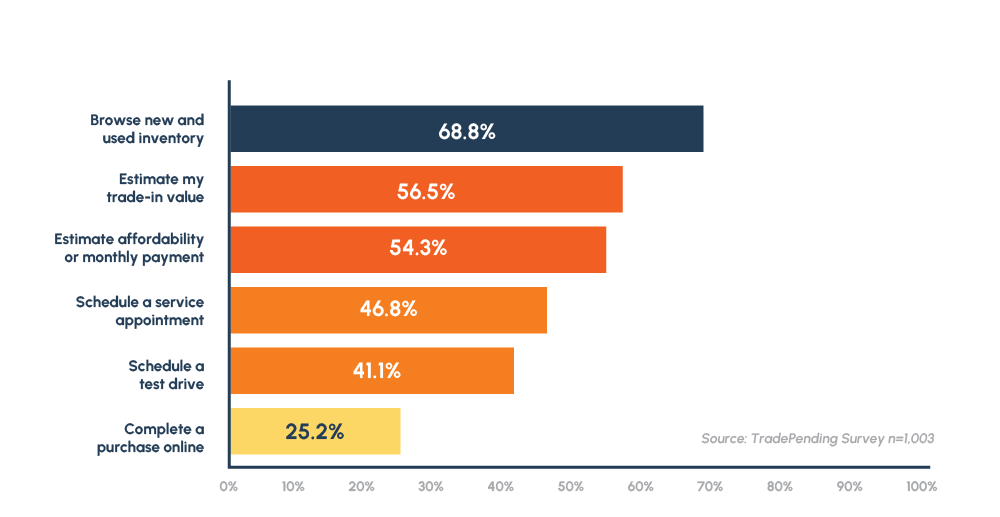
- To have the highest performing website, your website should focus on the three things customers most want to accomplish: research inventory, value their trade-in, calculate a payment
- The call-to-action buttons should be limited, nudging shoppers to the items they care about most: valuing their car and understanding how much they can afford
Q2 – When trading in your next car, which type of buyer would you consider first??
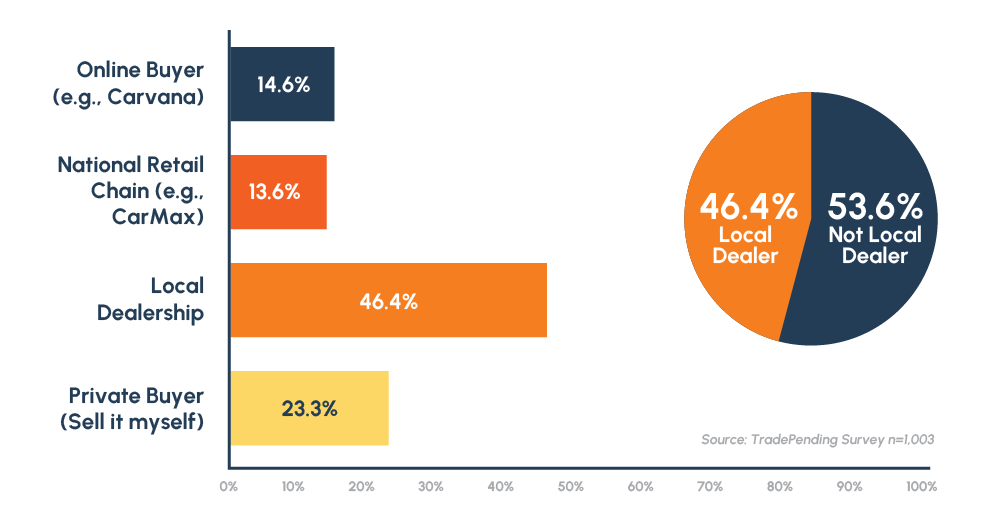
The majority of people prefer NOT to trade in their car with a local dealership, instead preferring the private market, Carvana, and CARMAX. To win those buyers over, you must advertise your transparent, competitive, and quick trade-in process.
Q3 – During your vehicle shopping process, how often do you check or update your trade-in value?
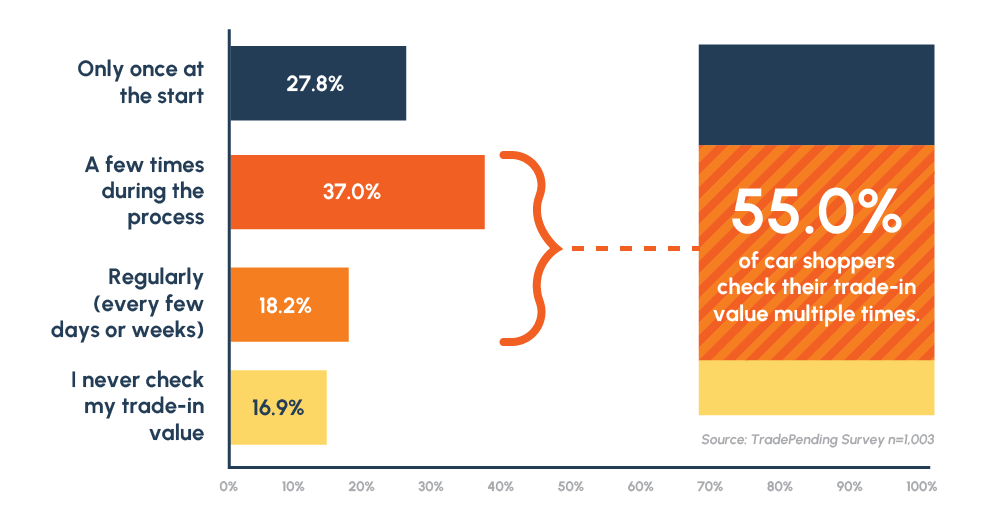
57% of people check their vehicle’s value multiple times during the sales cycle. In order to keep them on your site, those early valuations need to quick and simple for consumers to complete. The valuations should be backed with real-time market data so the customer has realistic expecations
Q4 – When using an online car payment calculator, what do you find most frustrating?
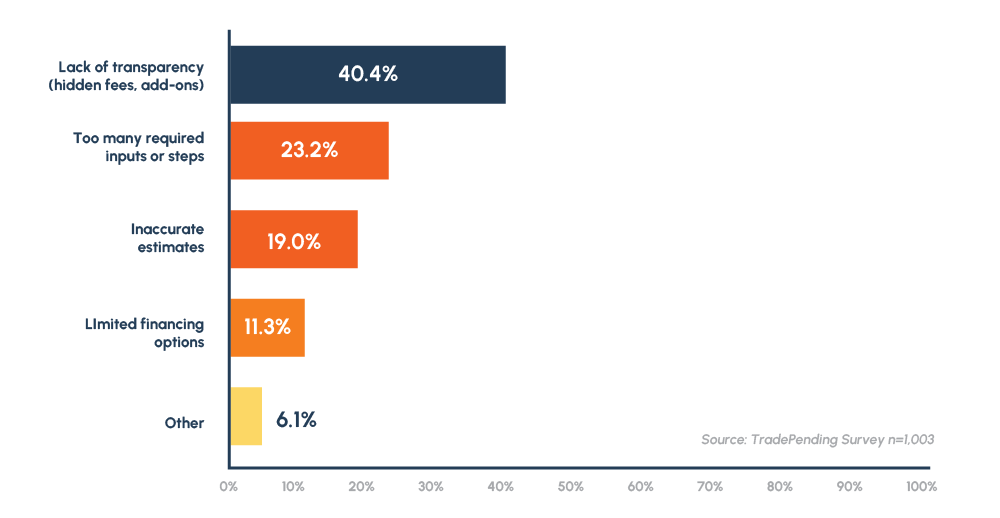
Online payment calculators that try to do too much end too long, have too many steps, and set the wrong expectations before true credit-worthiness is established, leading to signifcant customer frustrations. Providing a payment range to early-stage shoppers reduces or eliminates this friction.
Q5 – When researching a used vehicle, which types of information are most important to you? (Select all that apply)
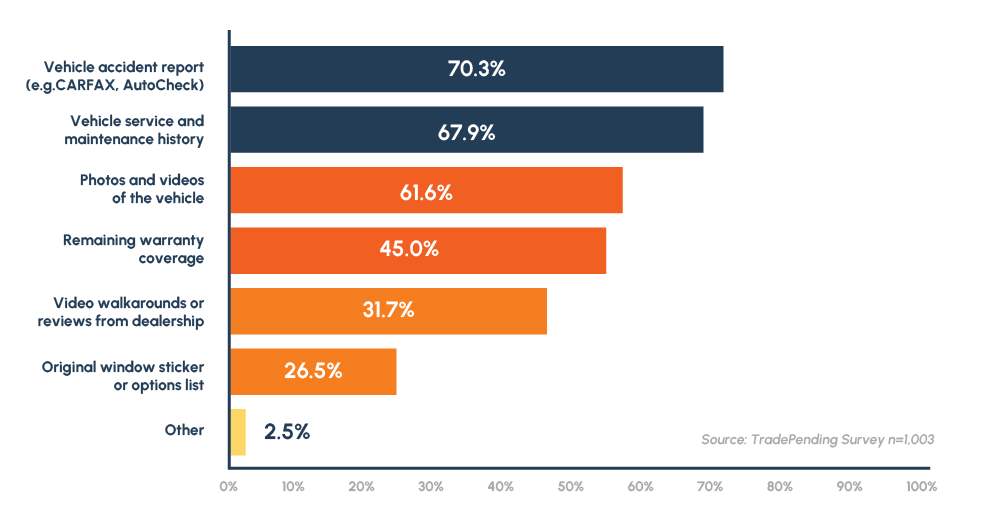
Used car shoppers care most about the vehicle’s history, even more so than pictures and videos of the vehicle itself! Providing all of this information for them in one spot makes their research process faster and simpler while keeping them engaged with your brand.
While sometimes important to dealers, consumers don’t highly value window stickers when researching used cars.
Q6 – If a dealership sent you a personalized video introducing the salesperson and showing vehicles you’re interested in, how would that affect your likelihood of visiting?
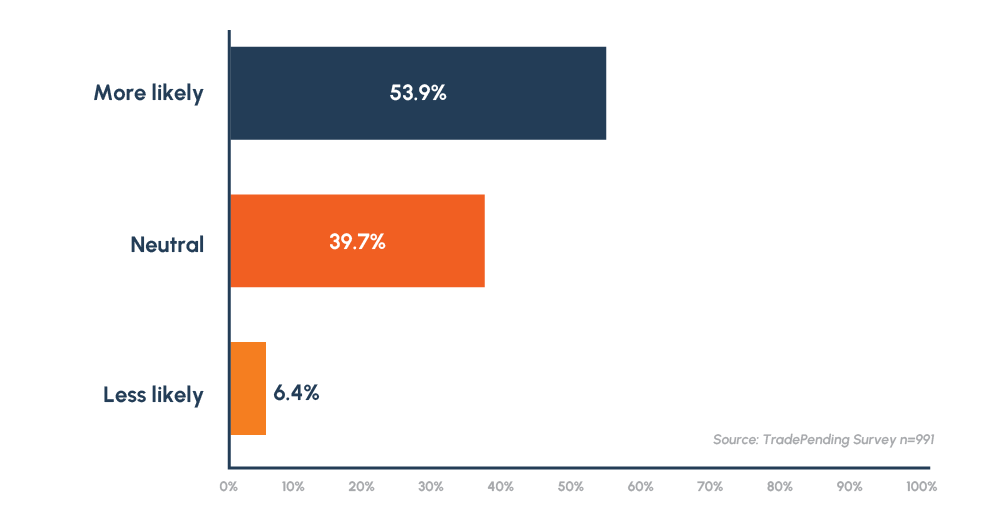
Over 50% of consumers say that a personalized video increases their likelihood of visiting a dealership. Using video in the sales cycle brings more people in while simultaneously speeding up the sales cycle.
Q7 – How useful would you find it to receive a monthly update about your car’s current value?
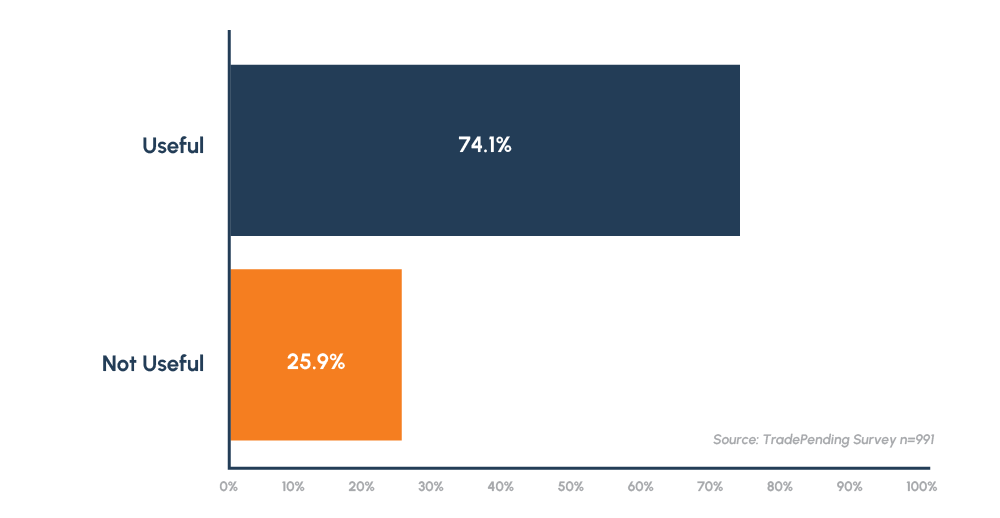
Nearly 75% of vehicle owners find getting regular updates on their vehicle’s value useful. Even with Carvana leading the industry on this marketing technique, there remains a large opportunity for dealers to provide meaningful value to their current and future customers to nurture long-term relationships by adapting this same approach.
Q8 – If you received regular updates on your car’s value, what action would you most likely take?
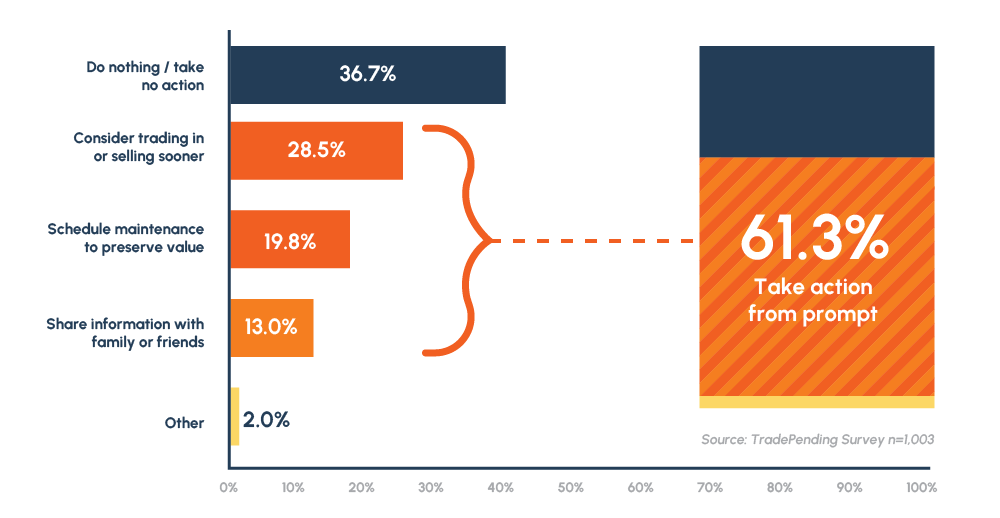
Sharing regular vehicle value updates with your customers speeds up both trade-in cycles and service work, while creating lasting brand awareness.